
P2P systems require users to create an account and connect it to their personal bank account or payment card. Sometimes a bank will charge a small fee—about $3—for sending an EFT to a different bank, but payroll direct assets = liabilities + equity deposits are generally free. You may need to provide routing and account numbers for your bank account, as well as authorize the entity to initiate electronic transfers.
Electronic Funds Transfer (EFT)

International EFT payments work much like domestic EFT payments but may come with heftier fees or restrictions. If you have a problem with an EFT, the first thing you should do is contact your financial institution. And if you’re dissatisfied with their response, you can file a complaint with the Consumer Financial Protection Bureau. This comprehensive guide to understanding EFT will provide an overview of how this type of payment works, the steps involved, and its key benefits and risks. 31 U.S.C. 3332 generally requires all federal payments, other than payments under the Internal Revenue Code, be delivered by Direct Deposit also known as Electronic Funds Transfer (EFT), unless a waiver is available.
Cash
Financial institutions cannot consider consumer negligence when determining liability for unauthorized EFTs and must comply with error resolution requirements even if private network rules suggest otherwise. A wire transfer is a payment made electronically — usually through your bank or credit union. In many cases you can send a wire using your online or mobile banking service — although some banks do still require you to visit a branch in person to set up payments. The EFTA states that consumers may dispute an electronic funds transfer if they believe the transaction was fraudulent. Under the Act, you must report this transfer within 60 days of the transaction date.
How much does it cost to send an EFT payment?
- The shortest processing times are usually for payments sent between bank accounts at the same bank.
- Some companies may also have online portals or mobile apps that you can use to set up EFTs.
- Use this guide to learn more about what an electronic funds transfer is, how it works, the ways you can use them to your advantage and examples of electronic funds transfers.
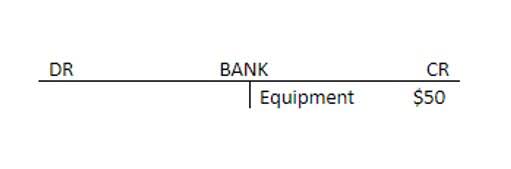
- The client has agreed to pay with an EFT, so NovaByteLine needs to provide their bank account information to the client.
- Direct deposit is a type of EFT in which payments are deposited directly into a recipient’s bank account.
- Financial institutions cannot consider consumer negligence when determining liability for unauthorized EFTs and must comply with error resolution requirements even if private network rules suggest otherwise.
- Keith’s experience representing clients in the financial services industry as a litigation, compliance, regulatory, investigations (internal and regulatory), and enforcement attorney spans 20 years.
This is a process that converts paper checks into electronic payments. It works because a digital check gets generated after being authorized by the person making the payment or purchase. This can be done in a store or after a company receives your check by mail. The ACH is a network of financial institutions that intends to provide security in transferring funds. So, in an ACH transaction, the request will stop through the ACH between the initiation and the bank itself. That means ACH electronic funds transfer transactions add an extra day or two, but if speed is less important than security, this option is desirable.
- Financial institutions must determine consumer liability for unauthorized EFTs based on the timing of the error report and the circumstances of the unauthorized transfer.
- It works because a digital check gets generated after being authorized by the person making the payment or purchase.
- An EFT is a financial transaction processed electronically, while an ACH transfer is a specific type of EFT sent using the Automated Clearing House.
- Sometimes known as non-paper financial transactions, electronic funds transfers, or EFTs, are a way of automatically passing money from one person or business to another electronically.
- When executing EFT banking, we transfer funds from one bank account to another.
- Department of the Treasury’s Tax and Trade Bureau, EFTs are estimated to be 10 times less costly to process than paper transactions.
What is an EFT payment?

You’re only bookkeeping and payroll services authorizing a debit to your account once for a specific amount due. Typically, you’ll tell a vendor it’s okay to use your checking account information to create a virtual check and submit it for payment. When you make a payment these days, odds are you’re using an EFT to make it happen. Friends can use EFT payments to split a restaurant bill, and businesses can use EFT payment options to get paid by their customers. With so many uses, EFT payments are essential to how money moves through the economy and your life.

0 hozzászólás